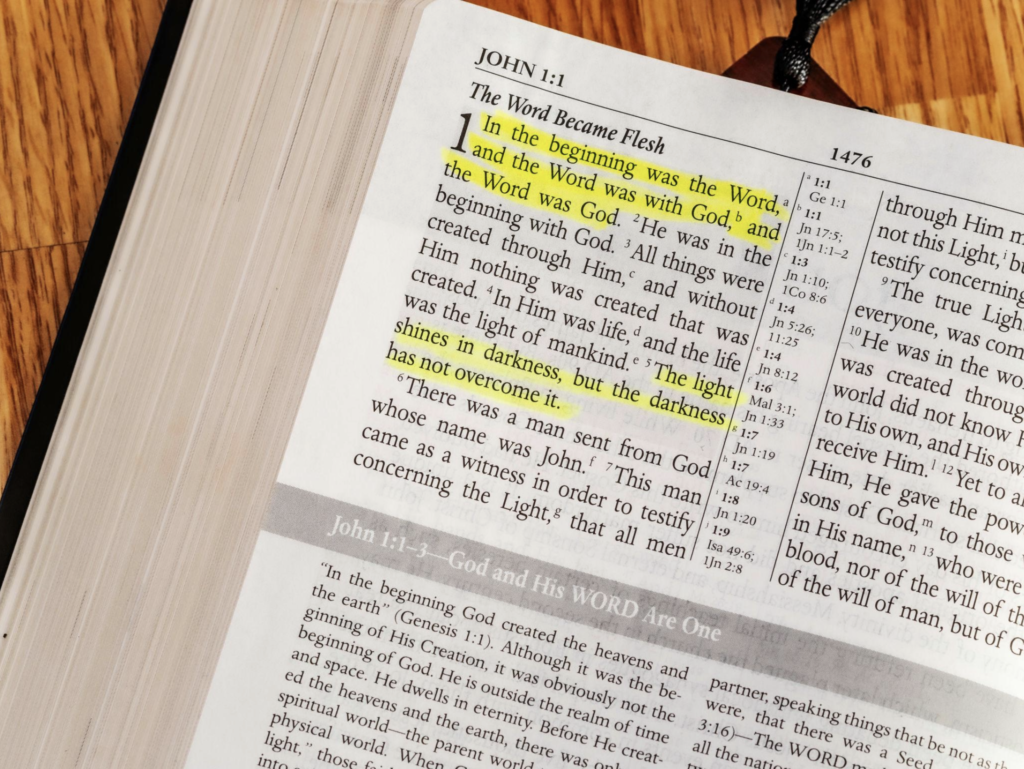
Most Christians love the Bible, but many were never taught how to read it carefully. They were taught what to believe, which verses to quote, and how to defend their position, but not how to listen. Reading Scripture faithfully is slower than most of us expect. It requires humility, patience, and an openness to correction. And it absolutely requires the help of the Holy Spirit. Before opening the Bible, it is wise to pause and pray—not as a ritual, but as an act of dependence. The same Spirit who inspired the words must also illuminate them, or we will inevitably bend them toward our own assumptions.
It helps to remember that the Bible was written for us, but not directly to us. Every passage had a real audience, living in a real time, facing real circumstances. Paul was writing letters to specific churches with specific problems. Jesus spoke to people shaped by Jewish law, Roman occupation, and covenant expectations. God gave commands to Israel within a particular covenant and moment in history. When we forget this, we start treating Scripture like a collection of timeless slogans instead of a living record of God’s dealings with people. Ignoring who was being addressed and why often leads sincere believers to radically different conclusions while quoting the same verses.
This is why context matters so much. Context simply means reading what comes before and after a passage and asking basic questions. Who is speaking? Who is listening? What prompted these words? What problem is being addressed? What does the writer assume the audience already understands? Pulling a single verse out of its setting is like quoting one sentence from a conversation and claiming to know the entire discussion. God can certainly speak through a single verse, but He will never contradict what He has already said in the surrounding passage.
Scripture also unfolds as a story. It moves from creation to fall, from promise to law, from prophets to Christ, and from Christ to new creation. Not everything carries the same weight or serves the same purpose. Some commands were given to Israel under the Law. Some instructions were written to churches struggling with disorder or immaturity. Some passages describe the consequences of life apart from God rather than prescribing how believers should live. When we apply everything directly to ourselves without asking where it fits in the larger story, confusion follows. Faith does not mean skipping understanding.
Another common mistake is assuming that because the Bible records something, God approves of it. Scripture tells the truth about people, including their fear, failure, violence, and hypocrisy. Much of what is written is descriptive, not prescriptive. Sometimes Scripture is saying, “Look what happens when people live this way,” not, “This is the way you should live.” Discernment is required to tell the difference, and that discernment grows as we read carefully and honestly.
Comparing Scripture with Scripture is wise, but it must be done with integrity. Clear passages should not be overridden by obscure ones. Doctrines should not be built on isolated verses. Later passages do not cancel earlier ones; they clarify, fulfill, or transform them. The Holy Spirit does not contradict Himself. If an interpretation requires us to explain away plain statements of Scripture, that is a warning sign rather than a breakthrough.
Perhaps the hardest truth is that the Bible was not given to protect our beliefs. Many people read Scripture to confirm what they already think, to defend a position, to win an argument, or to avoid repentance. But Scripture was given to reveal God, expose the heart, and lead us into life. If we read it honestly, it will challenge us. If it never does, the problem is not with the Bible.
This is where the Holy Spirit becomes essential. The Spirit does not replace careful reading, but He makes it fruitful. Without Him, knowledge turns into pride, verses become weapons, and theology becomes dry and lifeless. With Him, truth leads to repentance, understanding produces obedience, and Jesus becomes clearer rather than smaller. Jesus promised that the Spirit would lead us into all truth, not merely into information.
You do not need a seminary degree to read the Bible well. But you do need humility, patience, honesty, and a willingness to be taught. Read slowly. Ask good questions. Stay in context. Let Scripture correct you. And never assume you have arrived. God is not hiding from you in His Word, but He will not be controlled by it either.