Stephen G Cantrelle
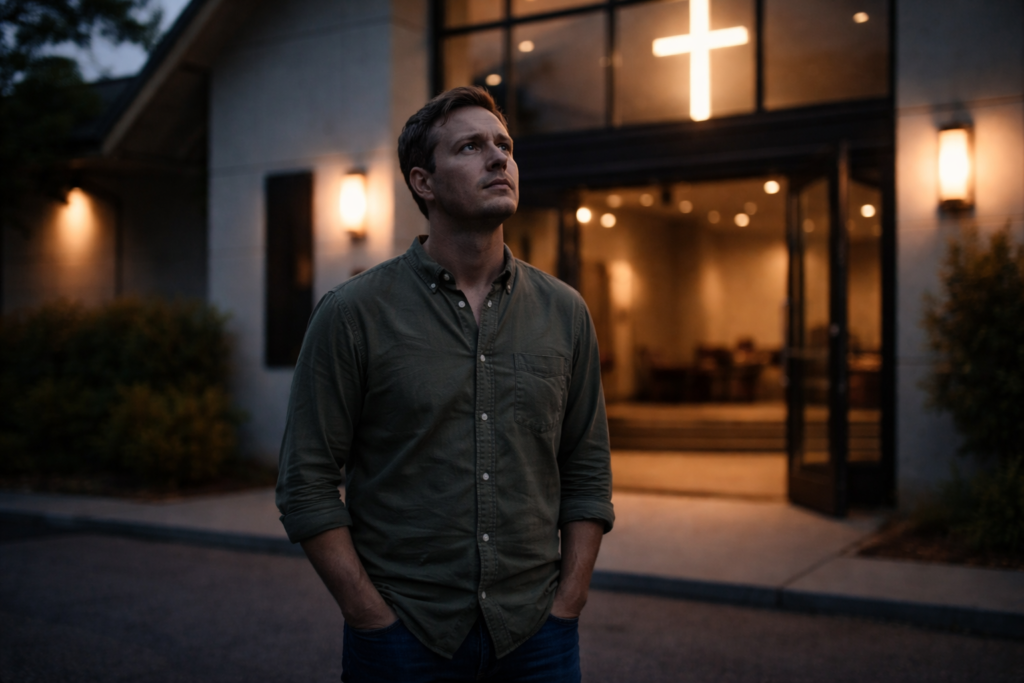
We have spent years criticizing the institutional church. We have called it hollow, professionalized, commodified, and spiritually thin. We have blamed clergy, denominations, hierarchies, and systems. But honesty, especially when it comes late, demands a harder confession. This is the church we asked for.
When we say “we,” we are not speaking merely of ourselves as individuals. We are naming a collective inheritance. Across generations, Christianity followed a path shaped by accumulated decisions, practical adjustments, and well-intended solutions to real problems. What we now inhabit did not happen to us. It happened through us.
At the heart of this development was not rebellion, nor a conscious rejection of God, but something quieter and far more persuasive: convenience. What was meant to be carried by the Holy Spirit was gradually delegated to human systems. Shepherding that was intended to be inward and personal became externalized and professionalized, because it was easier to organize, easier to scale, and easier to manage.
The New Covenant promised a Shepherd who would dwell within His people, lead them personally, convict them inwardly, and guide them into truth. That kind of life, however, is slow, demanding, and resistant to standardization. It cannot be scheduled, measured, or reliably predicted. Over time, the church learned to substitute visible leadership for invisible leading, human oversight for spiritual discernment, and structured instruction for yielded obedience.
This substitution did not occur through force or conspiracy. It emerged through delegation. We asked others to study for us, discern for us, warn us, guide us, and keep us aligned. In response, a professional clergy class arose—not primarily as overlords, but as servants of expectation. They stepped into roles that relieved the burden of personal attentiveness to the Spirit, and the arrangement worked. It was efficient. It was reassuring. It was convenient.
What we now recognize as the modern church functions much like a religious marketplace. Spiritual goods are centralized, roles are specialized, and participation is largely consumptive. The work of sacrifice, vigilance, and discernment is handled by a few on behalf of the many. Like the money changers in the temple courts, this system did not impose itself on unwilling worshipers. It arose because there was demand. Markets always form where people prefer managed access over personal cost.
It is tempting to locate the problem in leaders or institutions. Doing so preserves our innocence. But institutions supply what people repeatedly request. The modern church is not primarily a betrayal of Christianity. It is Christianity adapted to the limits believers were collectively willing to live within. That realization removes the comfort of blame and replaces it with the weight of responsibility.
Union with Christ makes all such outsourcing untenable. No one can repent for us. No one can obey for us. No one can discern the Spirit’s leading in our place. The priesthood of believers was not stolen from us; it was relinquished. And in His mercy, God allowed us to build what we believed we needed.
The way forward is not primarily structural. It is not found in destroying institutions or perfecting them. It begins with a return—quiet, personal, and costly—to the life that was always intended. The reclamation of inward shepherding. The recovery of attentiveness. The willingness to be led, corrected, and formed by the Spirit Himself.
When believers once again live as the dwelling place of God, many of the structures we now depend upon will become unnecessary. Not because they were evil, but because they will no longer be required. The church we asked for will gently give way to the life we were called to live.